
Plants
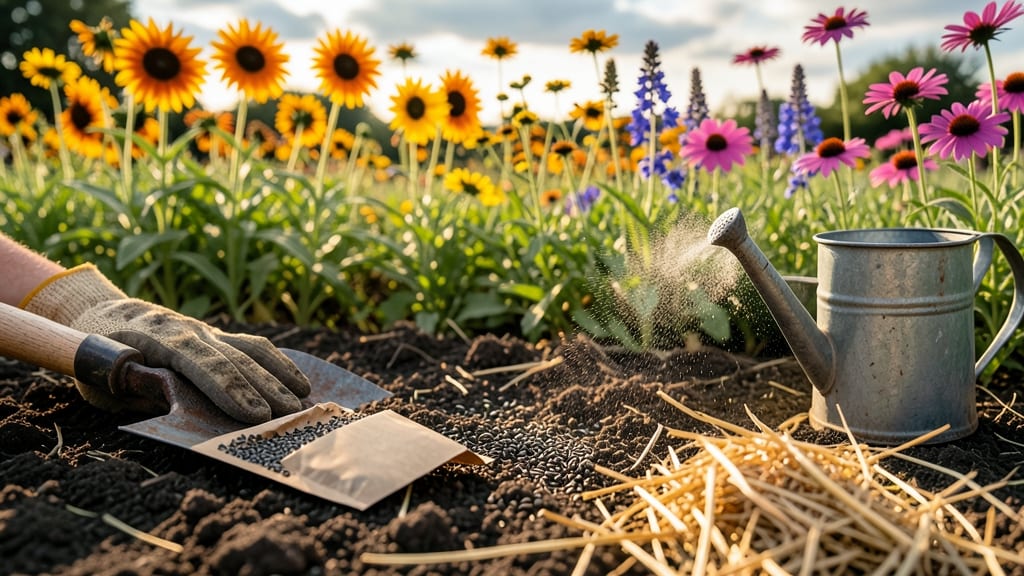
Planting wildflower seeds in North Carolina between late winter and early spring or late summer to early fall ensures vibrant blooms by next season 🌼.
Timing is everything when planting wildflower seeds in North Carolina—plant too early, and frost will wipe them out; too late, and summer heat will stunt growth. Mastering the frost-free window for NC’s Zones 7A-8B ensures a vibrant, low-maintenance meadow by next spring.
For Zone 7A, aim for late March to early April, while Zone 8B gardeners can start as early as mid-February. These windows align with the last frost dates, giving seeds time to germinate before summer’s intensity arrives.
Below, I’ll break down the best planting months, soil prep tips, and the top wildflower varieties for NC’s climate—so you can skip the guesswork and enjoy a pollinator-friendly garden all season.
NC wildflower planting deadlines by zone (7A vs 8B)
North Carolina’s USDA Zones 7A and 8B offer two distinct windows for planting wildflower seeds, but timing is critical. In Zone 7A (average last frost: March 15), you’ll have a slightly shorter window than Zone 8B (average last frost: February 15).
Planting too early risks frost damage, while waiting too late can stress seedlings before summer’s heat sets in.
Regional microclimates within NC add another layer of complexity. For example, the Piedmont region (e.g., Raleigh) tends to have earlier frosts than the Coastal Plain (e.g., Wilmington), where milder winters allow for extended planting.
Always check your local last-frost date using the USDA Plant Hardiness Zone Map or your nearest Cooperative Extension Service.
Spring planting is ideal for most wildflowers, but fall planting (August–October) is a great alternative for species like black-eyed Susans and coneflowers. The key is to plant 4–6 weeks before your first expected frost—this gives seeds time to germinate and establish roots before winter.
To calculate your local last-frost window, start with the USDA averages but adjust for your microclimate. For example, if you’re in a valley, expect colder nights and plant later.
Conversely, south-facing slopes warm up faster, allowing earlier planting. Use a frost calendar from your local weather station or track the last 5 years of frost data for accuracy.
For Zone 7A gardeners, aim to plant by April 15 for spring blooms. In Zone 8B, you can push it to May 1, but avoid planting after June 1—summer heat will dry out seeds before germination.
Always prepare your soil by removing weeds, loosening the top 2 inches, and lightly raking to create a fine seedbed.
If you’re unsure about your exact frost dates, use the 50% probability rule: Plant when the National Weather Service forecasts a 50% chance of frost has passed. This balances risk and reward, giving seeds the best chance to thrive without waiting too long.
For Coastal NC, this often means planting 2–3 weeks earlier than inland areas.
Don’t forget that fall planting (August–October) is a smart strategy for drought-tolerant species like purple coneflower and butterfly weed. Seeds sown in fall germinate early the following spring, giving them a head start.
Just ensure the soil is warm but not baking hot—aim for 60–70°F soil temps for optimal germination.
Pro tip: Use a seed starter mix or light mulch to retain moisture and protect seeds from bird predation. In Zone 7A, a row cover can extend your planting window by 2–3 weeks in early spring.
Always water seeds gently with a fine mist to avoid displacing them—think of it like simulating rain rather than a heavy downpour.
Finally, remember that wildflowers thrive with minimal intervention. Once established, they’re drought-resistant and low-maintenance, but getting them in the ground at the right time ensures a vibrant, pollinator-friendly meadow by next spring. Mark your calendar now—your future wildflower garden depends on it! 🌼
Best wildflower seed types for NC’s fall vs spring planting
North Carolina’s climate offers two prime windows for planting wildflower seeds: fall (August-October) and spring (March-April). Each season brings different benefits, from heat tolerance to pollinator support. Let’s explore the best varieties for each planting time and why they thrive in NC’s Zones 7A-8B.
Fall-planted wildflowers establish roots before winter, giving them a head start in spring. Spring-planted seeds, however, benefit from warmer soil temperatures and avoid late-summer drought stress. The key is choosing native species that align with NC’s humid subtropical climate.
Fall Planting vs Spring Planting
Fall Planting (Aug-Oct)
- Pros: Roots establish before winter
- Pros: Avoids summer drought stress
- Best for: Black-eyed Susans, Coneflowers, Goldenrod
Spring Planting (Mar-Apr)
- Pros: Warmer soil speeds germination
- Pros: Wider variety of seeds available
- Best for: Coreopsis, Milkweed, Purple Coneflower
For fall planting, focus on drought-tolerant perennials like black-eyed Susans (Rudbeckia hirta) and purple coneflowers (Echinacea purpurea). These varieties thrive in NC’s hot summers and support pollinators year-round. Plant seeds in well-draining soil and water lightly until germination.
Spring planting opens the door to annual wildflowers like coreopsis (Coreopsis spp.) and milkweed (Asclepias tuberosa), which attract butterflies and bees while adding vibrant colors. These seeds germinate quickly in warmer soil, making spring an ideal time for quick blooms.
Both seasons offer unique advantages: fall planting ensures early blooms, while spring planting maximizes seed selection. For best results, prepare your soil with compost and lightly rake to create a fine seedbed—whether you’re sowing in August or March.
Pro tip: Mix native wildflower seeds with clover or vetch for added nitrogen and ground cover. This combo thrives in NC’s humid climate and reduces weed competition 🌱🌿.